Down Syndrome Services in Edmonton and Calgary
Entrust provides developmental disability services in Edmonton and Calgary for individuals with Down syndrome, offering respite care and group homes within a supportive care framework. Families seek Down syndrome support to address cognitive development needs, communication challenges, health coordination, behavioural guidance, and social skill building.
Respite Support for Down Syndrome Families
Entrust offers respite care services throughout Edmonton and the surrounding areas for families caring for individuals with Down syndrome. Developmental disability respite programs provide temporary relief for caregivers while individuals with Down syndrome receive appropriate support for cognitive, physical, and social development needs.
Addressing Cognitive and Physical Development Needs
Individuals with Down syndrome may experience challenges with speech and language development, motor skill coordination, learning pace differences, and health monitoring requirements. Staff receive ongoing developmental disability training that covers Down syndrome support strategies, including communication techniques, adaptive skill building, and coordination with medical care providers.
Centre Programming for Children with Down Syndrome
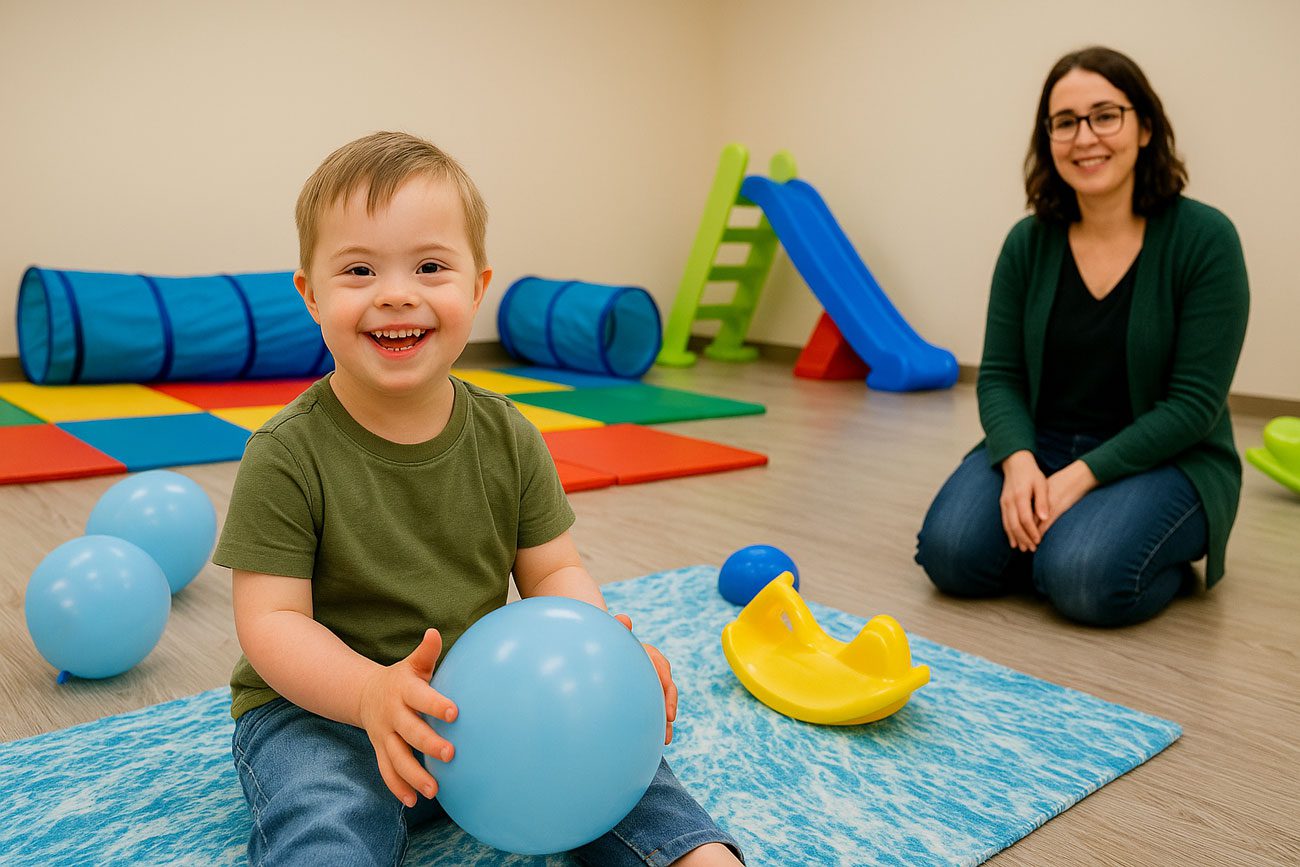
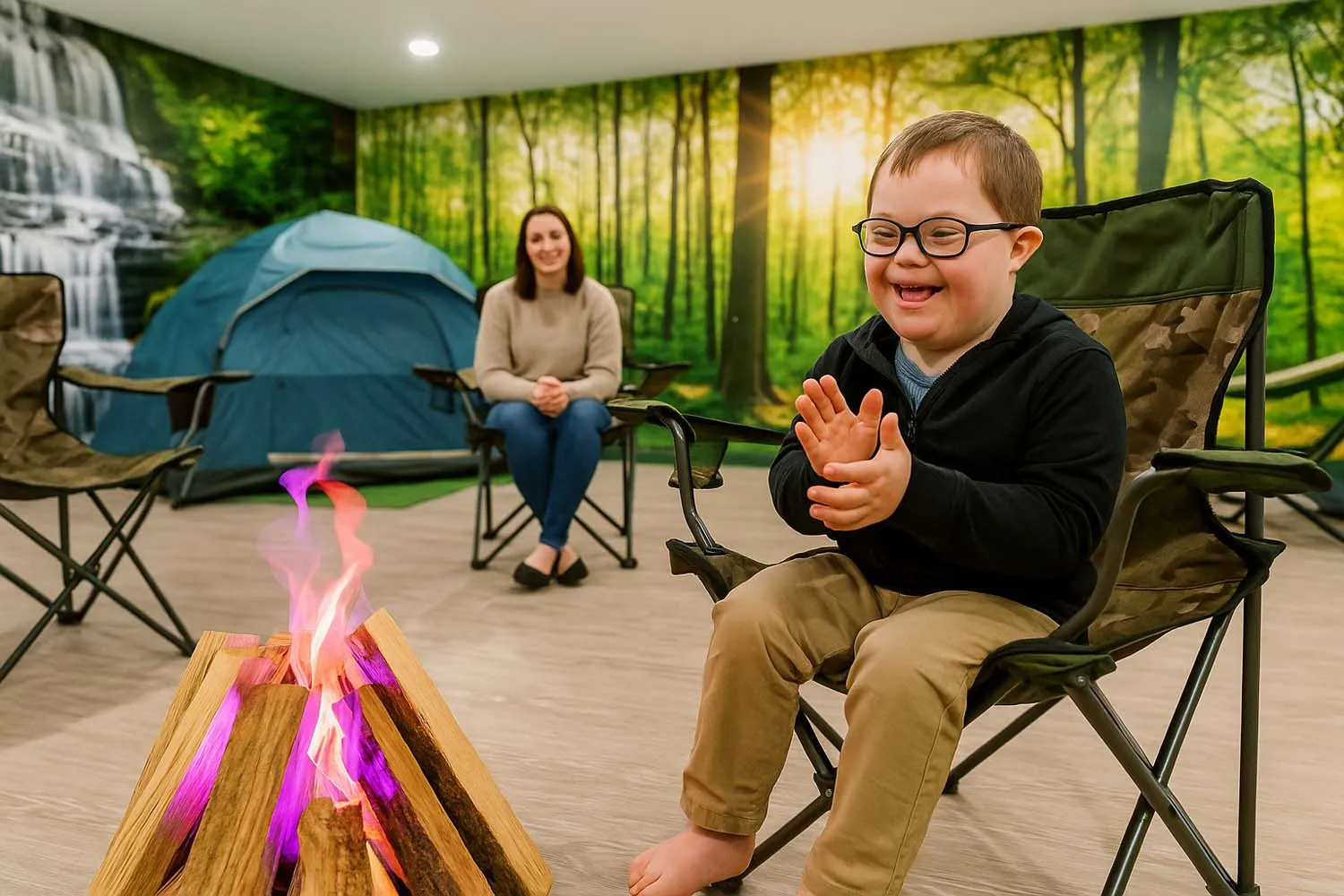
The Centre for Supports in Edmonton welcomes children aged 4-12 with developmental disabilities, including Down syndrome. Individualized programming occurs through child-led play with 1:1 or 1:2 staffing ratios. This approach allows children with Down syndrome to direct activities while receiving support for communication development, fine and gross motor skills, social interaction, and adaptive behaviour learning.
Group Homes Serving Individuals with Down Syndrome
Residential Care for Youth and Adults with Down Syndrome
Entrust operates group homes in Edmonton and Calgary that serve individuals with various developmental disabilities, including Down syndrome. The residential care program provides supportive living environments for youth under 17 and adults over 17 with Down syndrome who require daily living support, health coordination, and skill development assistance.
Group Home Settings for Down Syndrome Care
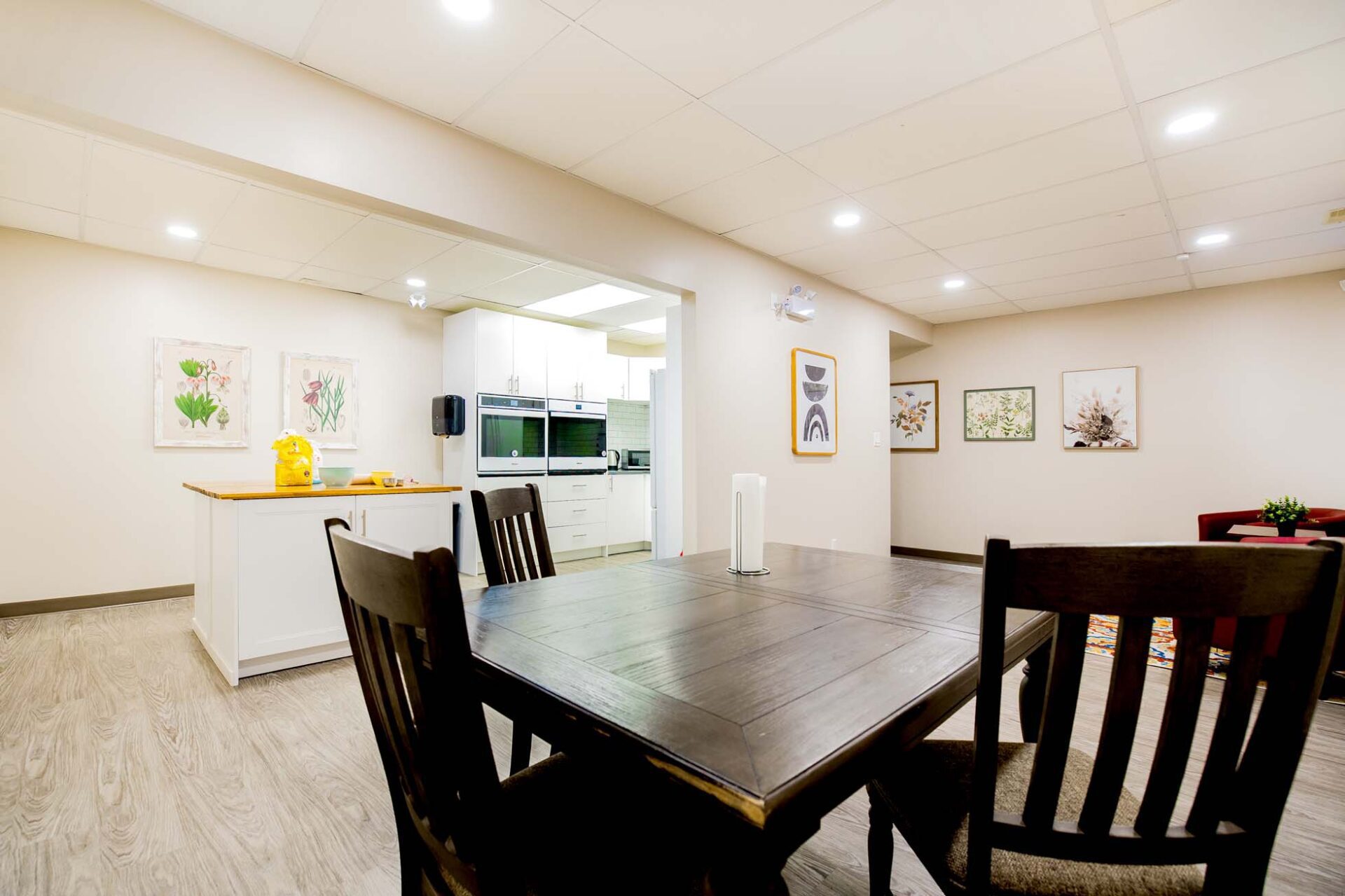
Each group home accommodates up to three residents with developmental disabilities. This small-group setting allows trained staff to provide personalized attention that addresses individual Down syndrome-related needs including communication support, health appointment coordination, routine establishment, adaptive skill training, and behavioral guidance for challenging situations.
Health Monitoring for Common Down Syndrome Conditions
Group homes serve people with Down syndrome through comprehensive support that coordinates with healthcare providers. Individuals with Down syndrome may require monitoring for congenital heart conditions, thyroid function, vision and hearing needs, sleep apnea, and other common health considerations. Staff work closely with medical professionals to ensure residents attend appointments and follow prescribed health protocols.
Individualized Plans for Independence and Skill Building
Our support plans address communication barriers, cognitive learning strategies, social skill development, daily living skills, and community integration activities that help individuals with Down syndrome achieve greater independence and quality of life.
Behavioural Support and Communication Strategies for Down Syndrome
Behavioural Consultation for Intellectual Disabilities
The developmental disability support team includes behaviour specialists, support workers, and care coordinators with experience serving individuals with Down syndrome. The team conducts thorough behavioural consultations to identify patterns, triggers, and effective intervention strategies for individuals experiencing communication frustration, transition difficulties, or behavioural challenges related to cognitive processing differences.
Professional Training in Down Syndrome Support Methods
Staff receive professional development training in developmental disability support that encompasses Down syndrome support strategies. Close collaboration occurs with families, schools, and healthcare providers to create comprehensive wellness support plans that address unique challenges, including speech development, learning pace adaptation, social interaction barriers, and independence skill building.
Supporting Speech and Language Development Delays
Individuals with Down syndrome may experience speech and language delays that affect communication. Staff use visual supports, simplified language, extra processing time, and alternative communication methods to ensure individuals with Down syndrome can express needs, make choices, and participate fully in daily activities and community life.
Adaptive Skill Training for Daily Living Tasks
Our proactive approach helps individuals with Down syndrome build skills in personal care, household tasks, money management, safety awareness, and community navigation. Complex tasks break down into manageable steps that accommodate cognitive learning differences while building confidence and independence.

Community Integration and Employment for Down Syndrome Adults
Social Inclusion Through Community Access Programs
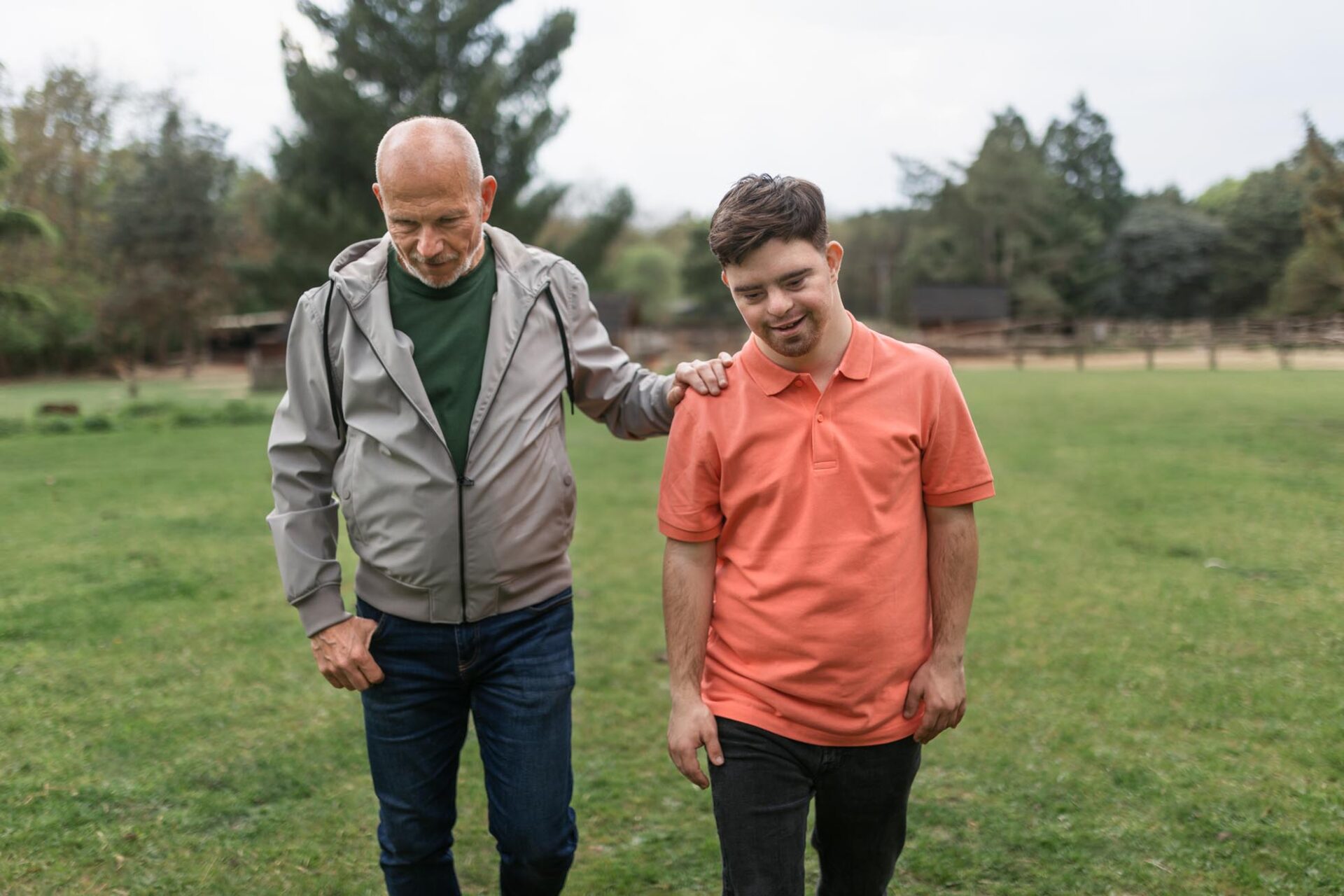
The Community Access Supports program helps adults with Down syndrome participate in community activities, develop social connections, and explore employment opportunities. Staff support individuals with Down syndrome in accessing community resources, building friendships, and developing skills that lead to meaningful community inclusion.
Meaningful Employment Opportunities for Adults
Collaboration occurs with local employers to create meaningful employment opportunities for adults with Down syndrome. Employment support includes job coaching, workplace accommodation guidance, and ongoing support that helps individuals with Down syndrome succeed in community employment settings. Focus remains on matching individual strengths and interests with appropriate job opportunities.
Building Life Skills Through Community Participation
Programs help individuals with Down syndrome develop independence through regular community participation. Activities include shopping, recreation programs, volunteer work, social events, and other community experiences that build confidence, expand social networks, and enhance quality of life while providing opportunities to practice skills in real-world settings.
Government Funding for Down Syndrome Services in Alberta
Alberta residents with Down syndrome can access Entrust developmental disability services through established government funding programs. Families can obtain Down syndrome support through these funding pathways:
FSCD (Family Support for Children with Disabilities): Covers respite care and behavioural support services for children under 18 with Down syndrome. Funding includes at-centre respite, in-home support, community integration activities, and coordination with medical care providers.
PDD (Persons with Developmental Disabilities): Provides funding for group homes, community access supports, employment programs, and behavioural consultations for adults over 18 with Down syndrome and related developmental disabilities.
AISH (Assured Income for the Severely Handicapped): Offers income support and health benefits for adults with Down syndrome who cannot earn a living due to their disability. AISH can work alongside PDD funding to cover group home costs and personal expenses.
Entrust serves Edmonton, Fort Saskatchewan, Sherwood Park, Leduc, Beaumont, Spruce Grove, Stony Plain, St. Albert, Calgary, Red Deer, and surrounding areas with experienced Down syndrome support within developmental disability programs.
Accessing Our Services
Individuals who qualify for Persons with Developmental Disabilities (PDD) or Family Support for Children with Disabilities (FSCD) services, are eligible for our Residential Care program and Community Access Supports program. Please speak to your PDD or FSCD Coordinator to find out more. For Community Access Supports please contact PDD coordinators only.